
 My blog
  Generative AI, Symbolic vs. Connectionist neural networks, AI Agents, and Education in the Age of AI
 Table of Contents
ChatGPT - “The iPhone Moment”
ChatGPT brought AI closer to us and allowed us to see its tremendous power. It opens up many new opportunities - I believe that the real impact of ChatGPT is yet to be seen.
Traditional AI is good for Classification (recognition). The advent of GPT brought us the ability to generate - from poems to art work, from music to computer program, GPT's (and other LLM's) ability to create will continue to impress us. This will undoubtedly open up many new opportunities for Al applications.
Pre-trained models drastically lower the cost and effort in using Al With "prompts", we can talk to GPT in plain English (or other languages). Every one can now become a "programmer" - you don’t need to know python or a programming language.
ChatGPT drastically lowered the barrier for "programming" a computer.
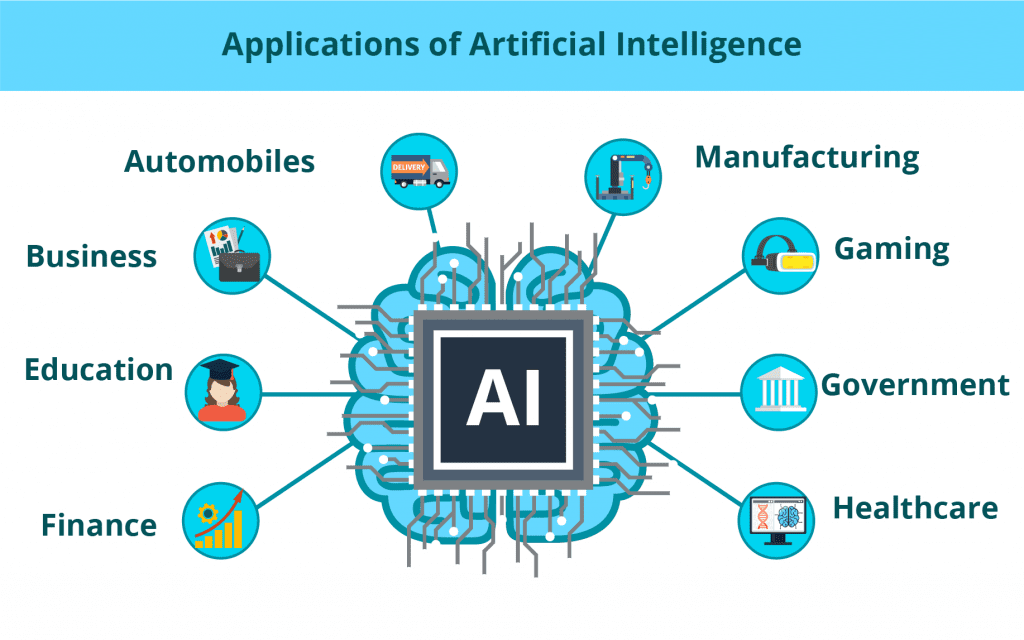
AI will become the new “Electricity”
- It will be as pervasive
- It will be as transformative
- We are still in the early innings
AI has an extremely long “tail”
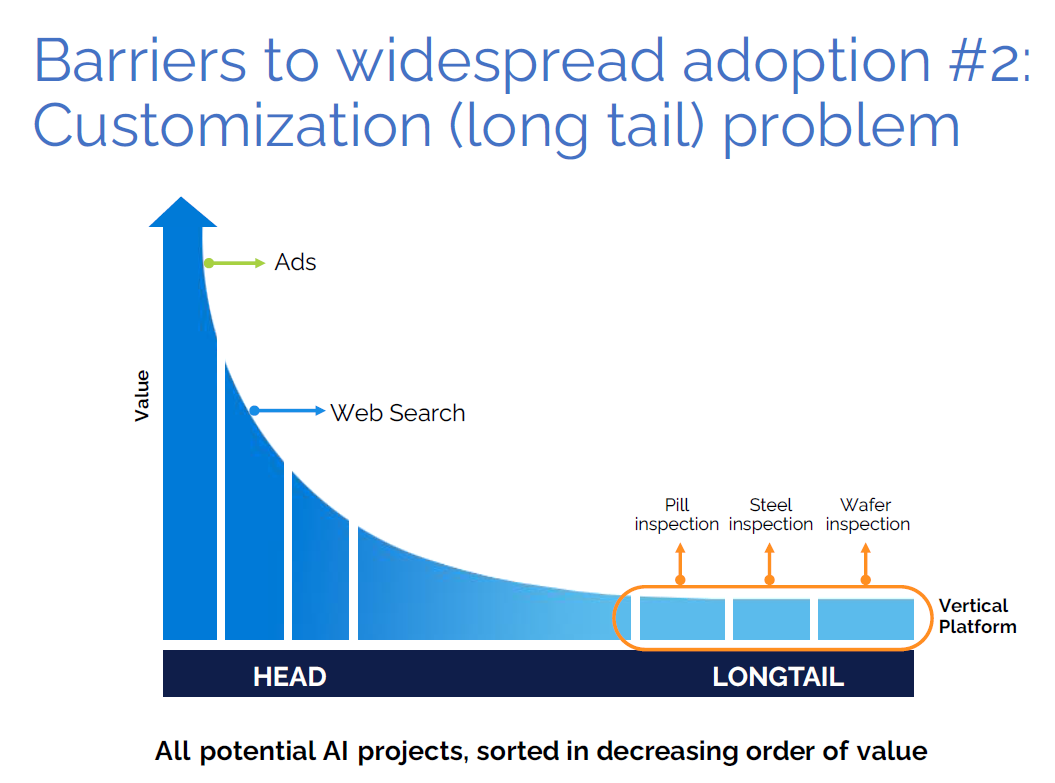
Just like electricity, AI will “power” everything from fashion design to pizza making. I believe that significant opportunity lie in the long “tail”. Be in the position to capture these opportunities.
From Neural Networks to AI Agents: the two approaches to AI
How do we create an “Artificial” Brain?
Al research has followed two distinct, and competing, approaches:
- The symbolic (or "top-down") approach - emulating human-like solving skills/processes
- The connectionist (or "bottom-up") approach - imitating how the brain (using a neural network) works
The two Research camps - Symbolic vs Connectionist
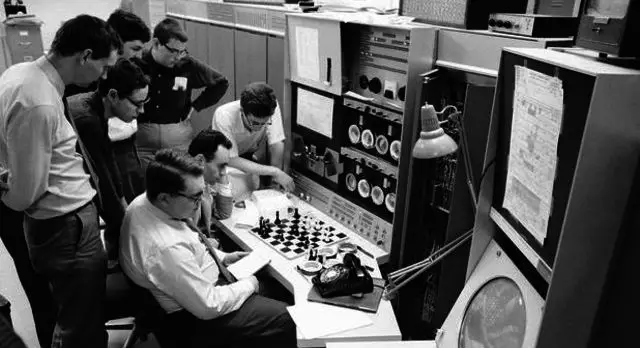
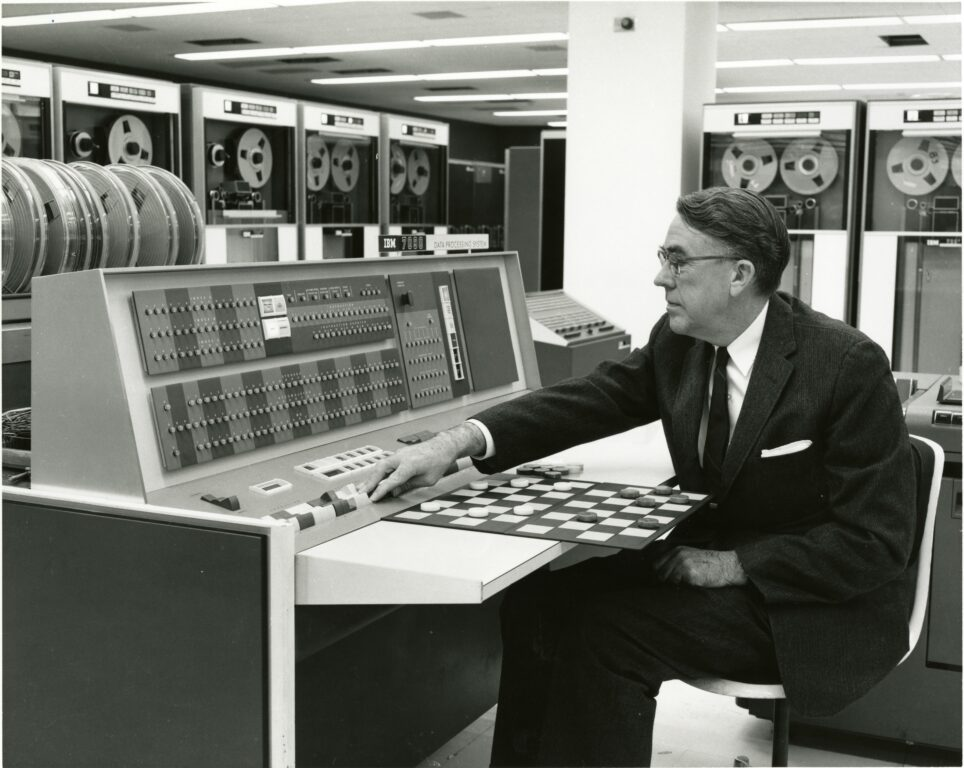
The Symbolic Approach
- Emulating human problem solving (cognitive) process
- USACO/ACSL are about "teaching the computer what you know" how to do
- In the early days of Al research, symbolic approaches have shown more success since it's more efficient to directly "encode" what you know.
- This approach is more understandable (vs. the
"black box" of ML)
The limitations of the Symbolic Approach
- The symbolic approach is good for solving "well defined” problems, where you can define a set of rules or prescribe a set of solutions
- There are problems that we can not easily write a set of rules nor easily specify the solutions.


The Connectionist Approach
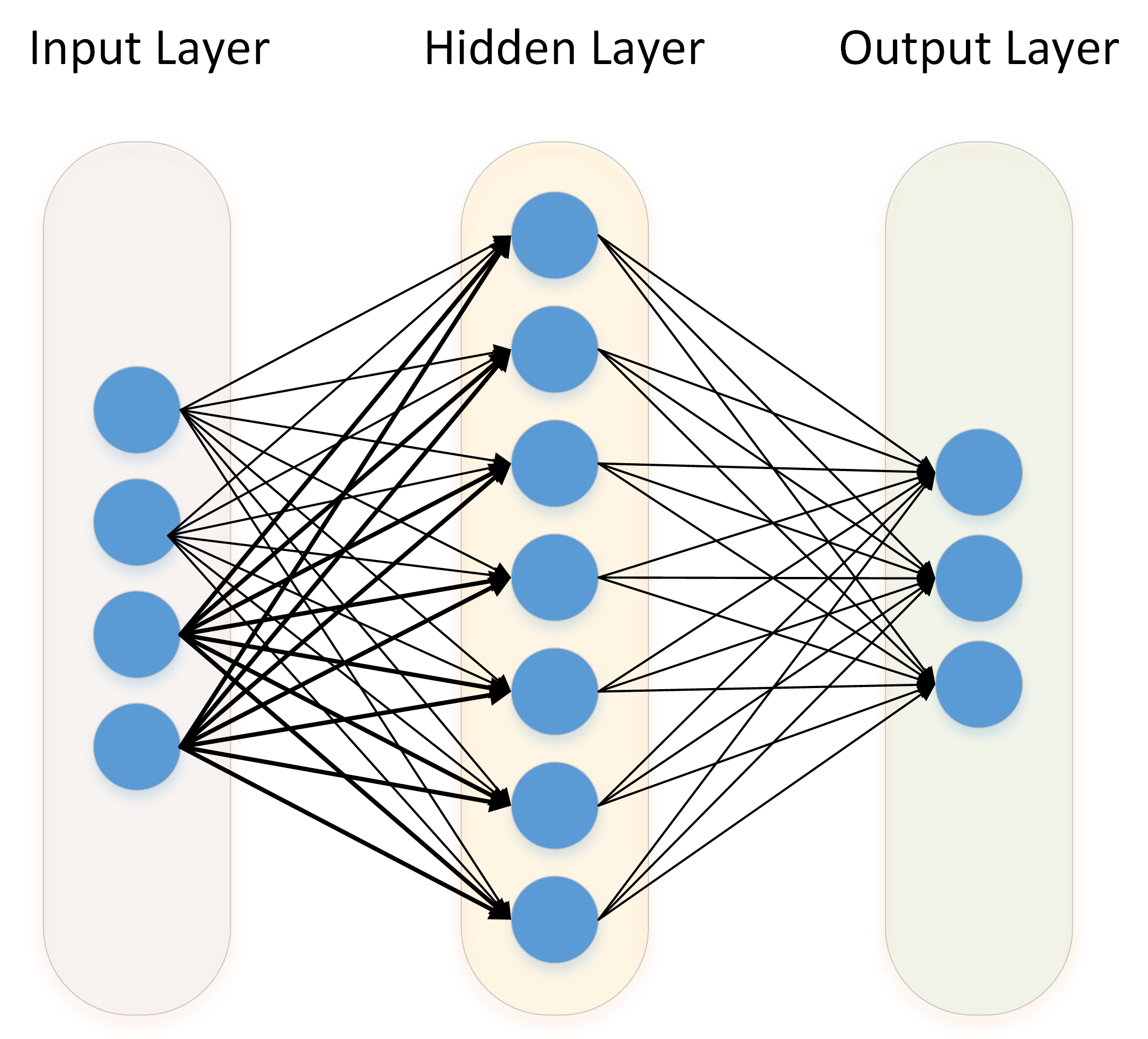
- Imitating human's brain - biological
- The foundation of this approach is neural networks and training the neural network to learn the rules
- This approach was not very practical until the last 15 years when we have enough "compute"
- It's more or less a "black box"
How do Humans Think?
Daniel Kahneman is a psychologist and Nobel Laureate. In his book Thinking, Fast & Slow, he introduces the concepts of System 1 and System 2 - the different ways that human think.
- System 1 is fast, intuitive, and emotional, "effortless". For example, when you pick up the phone, you can instantly tell if it’s your mom calling - you don’t analyze the voice, and after a while you realize - it’s instant.
- System 2 is slower, more deliberative, and more logical, but require effort. For example, when you get a math problem, you have to think about it for a while - the answer doesn’t just pop into your head (oh, how I wish it did).
What is Prompt Engineering?
Asking an LLM to do something (zero-shot)
An LLM plays the role of “system 1” thinking - you tell it to write an essay and it goes, and writes the essay word by word.
Teaching an LLM to do something (various prompt engineering techniques)
A human plays the role of “system 2” thinking - no human that I know writes and essay word by word; we make an outline, then draft, and revise.
The Power of Prompt Engineering
Prompt engineering with LLM is an integration of the two approaches. From experimentation with various engineering techniques, we have discovered that "system 2" thinking - i.e. deliberative problem solving - can improve the results from LLM in many categories, including:
- Logical reasoning problems
- Math puzzles
- Programming tasks
- Essay writing
- and more!
From Prompt Engineering to AI Agents
In prompt engineering, you (the human) play the role of the "teacher" to provide the "system 2" thinking to guide the LLM.
AI Agents
AI Agents - the Future of Apps
The utilities of the smart phones come from the App Store. There are millions of Apps on the iOS App Store and Android Google Play. I believe that the Power of Al will be harnessed by Al Agents.
Impact on Education: how to prepare for the Age of AI
Job Displacement - 800 million jobs “affected”
Jobs Lost - Replaced by AI
- Customer Service
- Legal and other advisory job (accountant)
- Banking, Trader, Market Analyst (and other Finance jobs)
- Media jobs (advertising, content creation, technical writing)
- Even some programming jobs
Jobs Gained - Use AI
- Prompt Engineers - using natural languages to instruct Al systems to do useful tasks
- Al Trainers - teach Al system to do certain tasks
- Robotic Engineers - developing hardware and software, making robot smart
- Al Auditor & Al Ethicist - making sure Al is doing the right thing
- AI Police?
“USB” style
- Knowledge
- Experience
- Know-how
“App” Style
- Creativity
- Problem solving
- Use of Technology
Education in the AI Era
Learn to ask questions : Creativity trumps knowledges and experience. Creativity and discovery are sparked by curiosity.
Learn to use technologies : Particularly Al/computer science technologies. How can we leverage computer's power to help us solve problems?
Learning AI becomes a necessity
As Al technologies become prevalent, the needs to communicate with Al will continue to increase: a better understanding of "Artificial" Intelligence” will facilitate such communication and will allow us to better leverage Al's power. I think that learning "Al" (what it is and how it works) will become a necessity.
Symbolic vs Connectionist based curriculum
Traditional curriculum in middle/high school and even in college focuses on symbolic approach and foundation of computer science. Introduction to neural network, machine learning are considered
"graduate level" classes. With the advancements in generative Al and LLM, knowledge of neural network and machine learning has become more fundamental, and in the future will become even more fundamental.


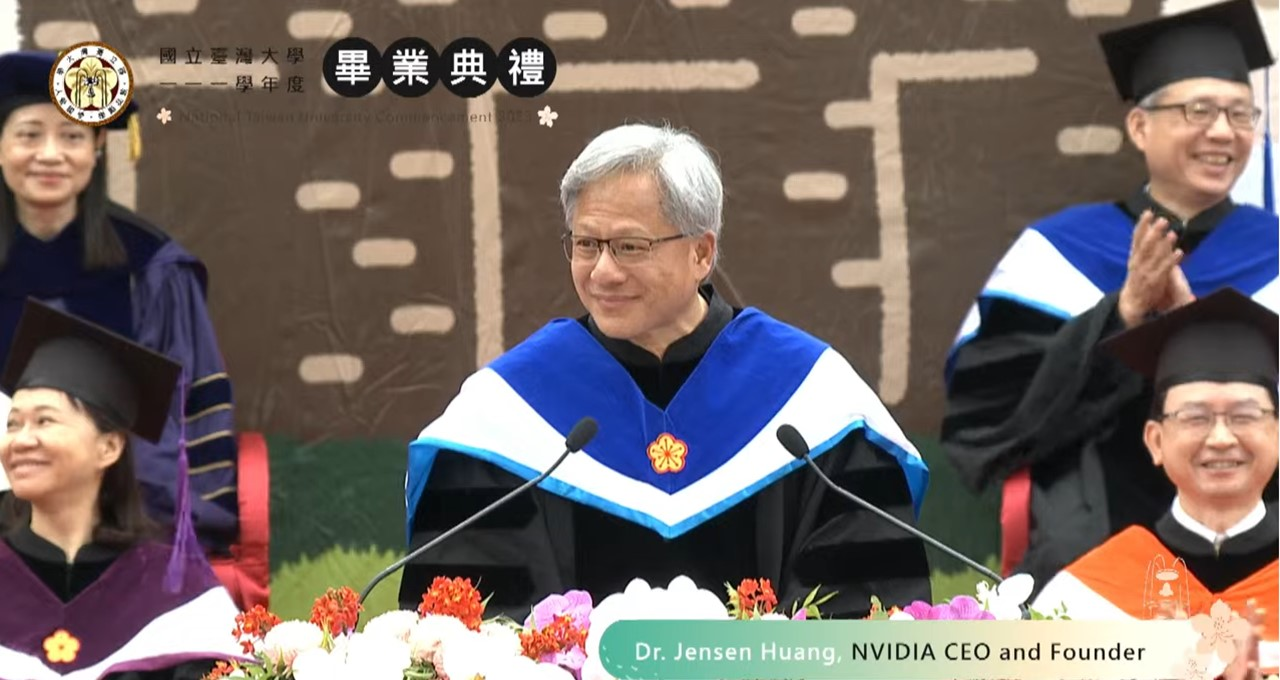
“Run, don’t walk… Remember, either you are running for food, or you are running from becoming food. And often times, you can’t tell which. Either way, run.”
- Jensen Huang, CEO, Nvidia
Feedback? Inquiries? I’m always open to new ideas. Please use the link below or send me an email at arnav.s.krishnan@gmail.com.
